Affiliate content creation might seem a bit overwhelming at first, but it’s one of those skills that becomes really rewarding with some practice and real-world know-how. Whether you’re hoping to pick up some extra income or build a new online business, understanding the basics puts you way ahead. In this guide, I’m going to break down how beginners can get started with affiliate content, suggest helpful gear to make things easier, and give some key tips for actually getting your work noticed and clicked on.

What is Affiliate Content Creation?
Affiliate content creation is all about producing digital content, like blog posts, product reviews, YouTube videos, or social media updates, that encourages people to check out products or services through special tracking links. When someone clicks and makes a purchase, you earn a small commission. The beauty is that you don’t need to create a product or handle customer service. Your main job is connecting people with things they actually might want or need.
This all-in-one business model has grown a ton in recent years. For instance, Statista reports that affiliate marketing spending in the United States alone is expected to soar past $8 billion. That’s a clear sign that businesses are relying on content creators even more to reach new audiences. As a beginner, that means more opportunities to find your unique space in the market.
Affiliate marketing isn’t new, but the tools and platforms sure have changed. With blogs, dedicated affiliate networks, and even TikTok in the game now, there are more ways than ever to create and share the content you love. The key is figuring out which channels fit best with your audience and interests. This information might feel a little daunting at first, but stick with me and we will go through a lot of this in more detail.
Getting Started with Affiliate Content
One of the first steps in affiliate content is figuring out what types of content work well with affiliate links. Not every blog, video, or post is a good fit for product recommendations. Beginners usually start with these:
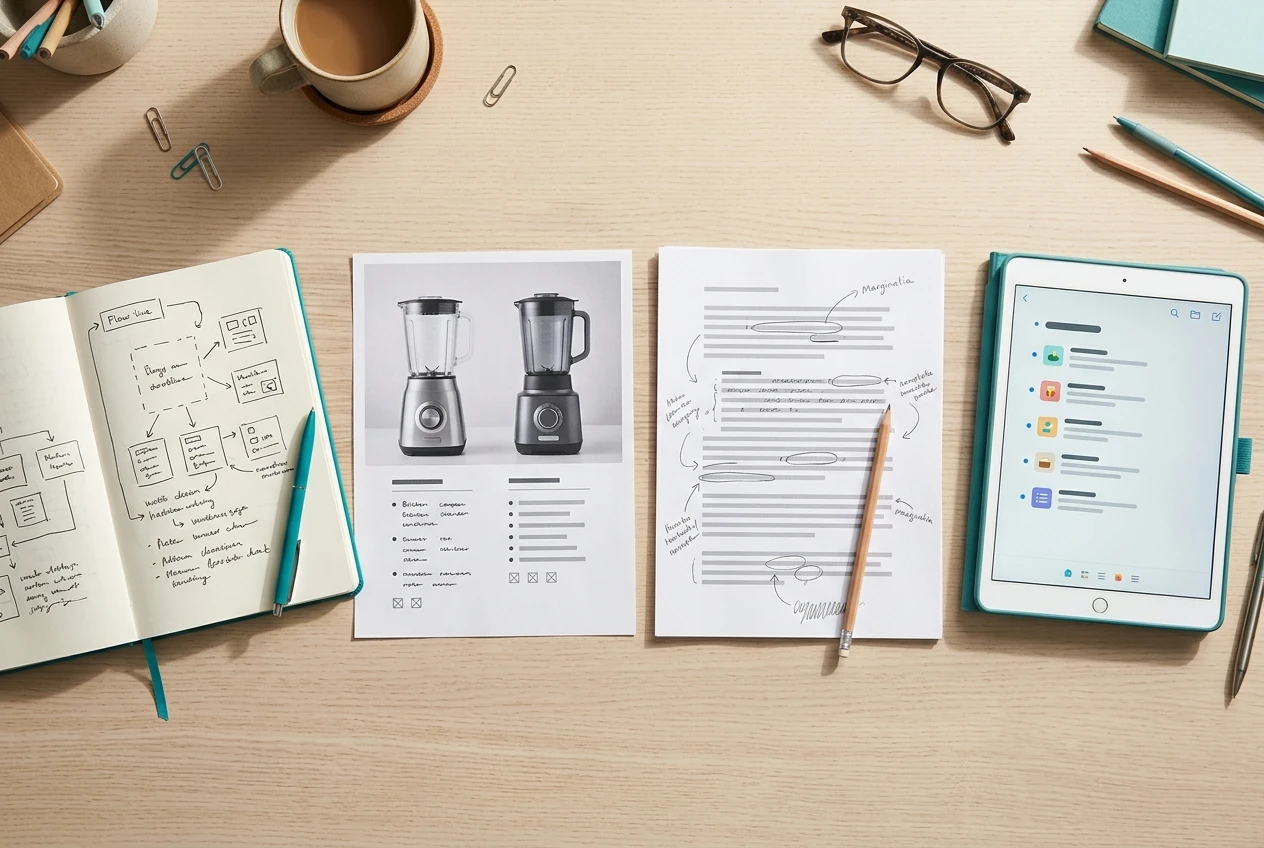
- Product Reviews: Write short or long explanations of a product you’ve tested, spotlighting its features and sharing your honest opinions.
- How-To Guides: Step-by-step tutorials where you can naturally include product or service recommendations using affiliate links.
- Comparison Lists: Create side-by-side reviews of several products in the same category to help buyers decide what’s best for them.
- Resource Pages: Make roundups of tools or services you use all the time, so you can add multiple affiliate links in one spot for easy reference.
After choosing the type of content, think about where you want to publish. Blogs might be familiar, but YouTube, Instagram, Twitter, and even email newsletters work great depending on where your target audience spends their time. Social media platforms can be especially powerful for getting your message out fast.
Quick Checklist for Creating Affiliate Content That Resonates
Here’s a process that keeps things simple and effective when producing affiliate content. This will help you stay organized and give your work a professional edge:
- Pick a Niche: Focus on a topic you’re genuinely interested in, whether that’s technology, wellness, kitchen gadgets, or something else. Being passionate about your topic makes your content more relatable.
- Join Affiliate Programs: Big names include Amazon Associates, ShareASale, ClickBank, and CJ Affiliate. Many companies also have their own affiliate programs; it’s worth checking if a favorite product offers one.
- Get Your Links: Sign up, generate your unique affiliate links, and keep them organized. Having a good system means you’re always ready to plug in your links when creating content.
- Create Content: Be honest. Share what you liked, what could be better, and real situations where the product helped (or didn’t).
- Optimize for SEO: Use keywords naturally in your titles, headings, and throughout your posts. SEO boosts your chances of being found through Google or YouTube searches.
- Promote Your Content: Share your work across relevant social media, message boards, and with friends. Keep an eye on what gets the most traction, then double down on what works.
This simple checklist helps beginners avoid confusion and lays down the basics for building an organized affiliate workflow.
Beginner Gear and Tools to Make Content Creation Easier
You don’t have to spend a fortune at the start, but having a few important tools on hand makes life so much easier. Here are some affordable basics that help you look and sound more professional right away:

- Reliable Laptop or Desktop: A solid computer for editing, writing, and uploading makes a massive difference. You don’t need top-tier specs, but try to avoid slow, outdated machines that slow you down.
- Good Camera or Smartphone: Most new phones are more than enough for basic product photos or videos. Pair it with a mini tripod for steady footage.
- Easy Lighting: A basic ring light or even natural window light can instantly give your images or videos a boost.
- Editing Software: Free apps like Canva work well for thumbnails and simple graphics. Grammarly is great for polishing your writing.
- Affiliate Link Manager: WordPress plugins like Pretty Links and ThirstyAffiliates help you keep track of and organize affiliate links quickly.
These tools keep things budget-friendly while still giving your work a next-level cool vibe. As your affiliate income grows, you can always upgrade or add specialty equipment later.
Things to Keep In Mind Before You Start Publishing Affiliate Content
Affiliate content is about more than just dropping links here and there. Several real-world challenges might come up, but being ready can help you find solutions faster:
- Building Trust: Readers or viewers want real opinions, not just pitches. Only promote products you truly stand behind.
- Understanding Disclosure Rules: In the US and many other countries, you must clearly let readers know if a link is an affiliate link. Not doing so can damage your credibility and get you in legal trouble.
- Staying Patient: Growth comes over time. Don’t expect instant success with every post—stick with it and your results will improve.
- Keeping Up with Algorithm Changes: Google search tweaks and changes to social platforms can influence who sees your work. Basic SEO knowledge and a little marketing know-how go a long way.
Building Trust
People can spot a sales pitch from a mile away. I only recommend products I’ve personally used or carefully researched. By highlighting both strengths and weaknesses, I show I’m not just pushing links—I’m here to help my readers make informed decisions.
Understanding Disclosure
If you’re in the US (and many other places), a simple statement like “Some links in this post are affiliate links, which means I may earn a small commission if you make a purchase, at no extra cost to you” is usually enough. Put it at the top of your content or video descriptions so it’s clear for everyone. Being transparent with your audience shows you respect them and follow the rules.
Staying Patient

It’s tempting to hope for fast money, but affiliate content usually takes weeks—even months—before you start seeing real commissions. Be patient, monitor what types of content bring in the most clicks, and focus your energy there going forward.
Keeping Up with Algorithm Changes
Google and social platforms are constantly switching up their algorithms. By joining content creator groups or following credible SEO blogs, you’ll get alerted when big changes happen. Plus, adjusting your content strategy as needed can help offset sudden drops in views.
Keep an open mindset with these challenges. Each roadblock is a chance to learn and gives you the opportunity to boost your skill set and affiliate earnings over time.
Cool Tips and Tricks for Getting Noticed
Once you’ve got your first affiliate posts or videos up, you’ll want more eyes on them. Here are some standout strategies that helped me get traction quickly:
- Use Eye-Catching Headlines: Clear, benefits-focused headlines grab attention. Instead of “Bluetooth Headphones Review,” try “Best Bluetooth Headphones for Working from Home in 2024” to draw readers in.
- Add Personal Stories: Share how a product actually helped you (or didn’t). These stories make content memorable and relatable.
- Keep Content Fresh: Regularly update posts with new info, prices, or products. Staying current helps you compete for search rankings.
- Include Comparison Charts: Visual breakdowns let readers quickly see options and make decisions.
- Join Online Communities: Participate in Reddit, Facebook groups, or niche forums. When appropriate, share your content—just avoid over-promoting.
Even small tweaks like these can help your content get noticed and make your affiliate recommendations stand out from the crowd.
Sample Affiliate Content Equipment for Beginners
Getting started doesn’t require a huge investment. I’ve tried lots of setups and chatted with many others in the affiliate community—here are some starter gear and software options for newbies:
- For Blogging: Basic laptops and cameras do the trick. Google Docs and a smartphone are enough for early content.
- YouTube & Video: Any recent phone, a steady tripod, a ring light, and free video editing software (like iMovie or DaVinci Resolve) let you make solid videos without spending much.
- Social Media: Use Canva for quick, attention-grabbing images, or Lightroom for simple photo tweaks. Both help spruce up Instagram and Pinterest posts.
- Email Marketing: Mailchimp and ConvertKit are popular, letting you add and track affiliate links in emails easily.
With these basic tools, you’re set to cover everything from your first blog review to helpful tutorials. As your skills and income grow, you can invest in higher-end equipment that matches your workflow.
Frequently Asked Questions
Q: How do I pick the right affiliate programs?
A: Look for programs that match your niche and offer products you genuinely support. Pay attention to commission rates and stick with companies that have solid reputations.
Q: How much can a beginner earn?
A: Starting out, you might only see a small trickle of income, but with consistent, smart content creation, earnings often increase. Some beginners only make a few dollars a month, while others can eventually build four-figure income streams. It all comes down to effort, niche, and quality of your work.
Q: Can I do affiliate marketing without a blog?
A: Absolutely. Platforms like social media, YouTube, email newsletters, and even podcasts are all perfect places for affiliate content—just remember to disclose your links and always add value.
Moving Forward with Affiliate Content Creation
Affiliate content creation gives anyone the chance to jumpstart an online income stream while sharing genuine experiences with the tools and products they love. From learning essential skills and getting started with the right gear, to staying up-to-date with SEO and community building, there’s room for everyone to grow. Stay honest, be helpful, update your content regularly, and you’ll start to see progress. Affiliate marketing keeps changing, so stick with it, keep learning, and you’ll give yourself the best shot at long-term success.